 Reviews


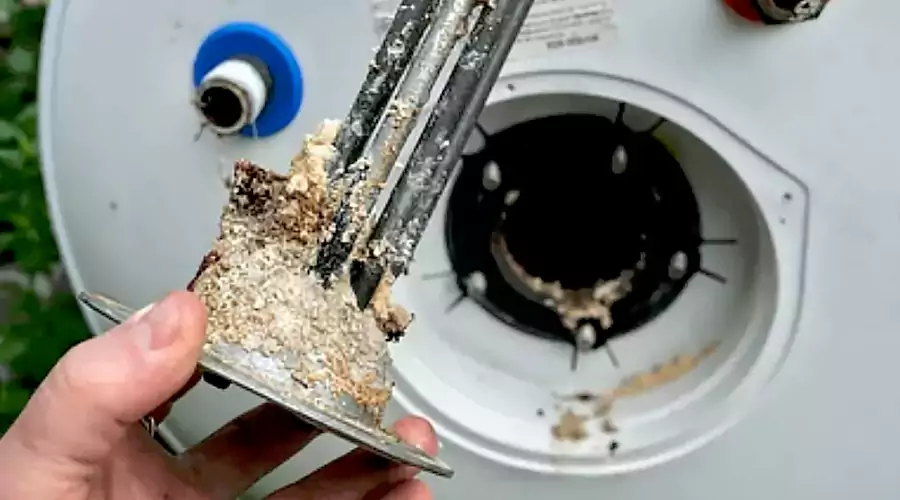
Water heaters are essential appliances that ensure hot water availability in homes. Over time, sediment buildup in water heaters can affect performance, efficiency, and the lifespan of the appliance. Many homeowners are unaware that water heaters need periodic attention to prevent sediment accumulation, which can silently undermine their daily operations.
What Exactly Happens When Sediment Settles in Your Water Heater?
Water heaters operate by heating water stored in a tank. Minerals such as calcium and magnesium, naturally present in water, settle at the bottom of the tank over time. This settling leads to a buildup of sediment, which can create several operational issues. The sediment layer acts as a barrier between the heating element and water, reducing heat transfer efficiency.
When sediment accumulates, the water heater has to work harder to heat water. This extra workload increases energy consumption and can lead to higher utility bills. In addition, sediment buildup causes uneven heating, resulting in inconsistent water temperatures at taps and showers, making professional Water Heater Repair essential to restore efficiency and consistent hot water supply.
How to Spot the Hidden Signs of Sediment Accumulation?
The early signs of sediment accumulation can be subtle. Most homeowners notice that water takes longer to heat or that hot water runs out more quickly than usual. In some cases, rumbling, popping, or gurgling sounds may be heard coming from the tank. These noises are caused by water trapped beneath layers of hardened sediment.
Other visible indications can include:
- Discolored water, often brown or rusty, caused by minerals stirred up from the tank bottom.
- Cloudy water, which can indicate tiny particles of sediment circulating through faucets.
- Reduced water pressure in showers and taps due to mineral deposits partially blocking pipes.
Why Sediment Buildup Drains Your Water Heater's Efficiency?
Energy efficiency is significantly affected when sediment buildup occurs. The heating element or burner is forced to work longer, which increases energy consumption. Over time, the constant extra effort leads to wear and tear on internal components. The following factors are affected when sediment is allowed to accumulate:
- Heating time is extended, as heat transfer is slowed.
- Energy bills are increased, reflecting inefficient operation.
- Lifespan of the water heater is reduced due to excessive strain.
It is estimated that water heaters with heavy sediment accumulation can lose up to 30% of their energy efficiency. Therefore, addressing sediment buildup early is crucial for maintaining performance and reducing costs.
How Water Quality Accelerates Sediment Problems?
The extent of sediment accumulation depends heavily on water quality. Hard water, which contains high levels of minerals, accelerates the process. Homes with hard water experience sediment buildup in water heater tanks more quickly than those with soft water.
Additionally, water temperature settings can influence sediment formation. Higher temperatures cause minerals to precipitate more rapidly, leading to faster accumulation at the bottom of the tank. Maintenance schedules should be adjusted according to water hardness and usage to prevent excessive sediment layers.
Simple Maintenance Habits That Prevent Sediment Accumulation
Regular maintenance is the most effective way to control buildup of sediment in water heaters. Flushing the tank periodically is widely recommended by plumbing experts. During a flush, water is drained from the tank to remove accumulated minerals.
Steps for proper maintenance are often outlined as:
- Water heaters are turned off and allowed to cool.
- The drain valve is opened to release water along with sediment from the tank bottom.
- The tank is refilled and inspected for any remaining buildup.
By performing these steps regularly, sediment can be minimized, ensuring that the water heater operates efficiently and delivers consistent hot water. Some water heaters are equipped with built-in flushing mechanisms, which make this process easier for homeowners.
The Hidden Risks of Ignoring Sediment in Your Water Heater
If sediment accumulation is ignored, several risks can develop. Hot water delivery may become unreliable, with temperature fluctuations occurring during showers or bath usage. Corrosion can be accelerated as minerals react with the metal tank, eventually causing leaks.
In addition, the pressure relief valve may be stressed due to uneven heating and sediment blockage. Over time, this can result in tank damage or even catastrophic failure in extreme cases. Homeowners are advised to monitor for any unusual sounds, reduced efficiency, or water discoloration to detect sediment early.
How Sediment Can Inflate Repair and Replacement Costs?
Allowing sediment buildup in water heater tanks to persist can increase repair and replacement costs. Water heaters that are maintained regularly have a longer operational life, while neglected units often require premature replacement.
Repairs related to sediment accumulation can include:
- Cleaning or replacing heating elements coated in mineral deposits.
- Addressing leaks caused by corrosion accelerated by sediment.
- Replacing tanks damaged due to excessive mineral buildup.
Preventive maintenance is usually less expensive than repairs or replacement, making regular flushing and inspection a cost-effective practice.
Why Professional Help Can Make a Difference?
Professional plumbers can assess sediment buildup levels and perform deep cleaning or tank replacement if necessary. Water testing may also be conducted to determine mineral content and recommend solutions such as water softeners.
Regular professional maintenance ensures:
- Sediment is removed effectively without damaging the tank.
- Energy efficiency is restored, reducing monthly utility expenses.
- Long-term reliability of hot water supply is maintained.
Professional inspections are especially valuable in older homes, where sediment may have been accumulating for years.
Taking Action Before Sediment Steals Your Hot Water
Sediment accumulation is a silent factor that significantly reduces water heater performance. When sediment buildup occurs, energy efficiency is decreased, heating times are extended, and the lifespan of the water heater is shortened. Homeowners are encouraged to recognize early signs such as rumbling noises, discolored water, or inconsistent temperatures.
Routine flushing, maintenance, and professional inspections are essential to minimize buildup of sediment. By addressing sediment accumulation proactively, water heaters can operate efficiently, deliver reliable hot water, and avoid costly repairs.
Frequently Asked Questions
What causes sediment buildup in a water heater?
Sediment is caused by minerals like calcium and magnesium in hard water, which settle at the tank bottom over time.
How can I tell if my water heater has sediment buildup?
Signs include popping or rumbling noises, discolored water, slow heating, and inconsistent hot water delivery.
Does sediment buildup affect energy bills?
Yes, heat transfer is reduced by sediment, making the water heater work harder and increasing monthly energy costs.
How often should a water heater be flushed to remove sediment?
Flushing is recommended at least once a year, or more often in areas with hard water to prevent heavy mineral accumulation.
Can sediment buildup damage my water heater permanently?
Yes, prolonged sediment accumulation can cause corrosion, leaks, reduced efficiency, and may shorten the water heater's lifespan.